Dubai: International cricket entered a new era on October 1, 2026, as the ICC’s sweeping changes to playing conditions took effect across Tests, ODIs and T20Is. From penalty runs for dawdling batters to pink balls in daytime Tests, here is what changed — and why it matters.
Five-run penalty for time-wasting
The headline change targets batters who are not ready to face in time. The first offence brings a warning, the second a final warning — and from the third offence onwards, five penalty runs are awarded to the fielding side for every breach, with the Code of Conduct available for repeat offenders. It is the first deterrent of its kind aimed squarely at batters, part of the ICC’s push to speed up play.
Pink balls in day Tests — on trial
Teams may now agree before a Test to use a pink ball in daytime play, aimed at reducing time lost to bad light. The decision must be made before the match and cannot be reversed; switching from red to pink mid-match is not allowed. The trial could reshape how day Tests handle fading light.
No more automatic close on late wickets
A wicket in the final over of the day will no longer automatically end play. If conditions permit, the remaining deliveries will be bowled — a change the ICC says rewards the fielding side and keeps the drama alive, since those balls had to be bowled the next morning anyway.
Clearer fielding laws
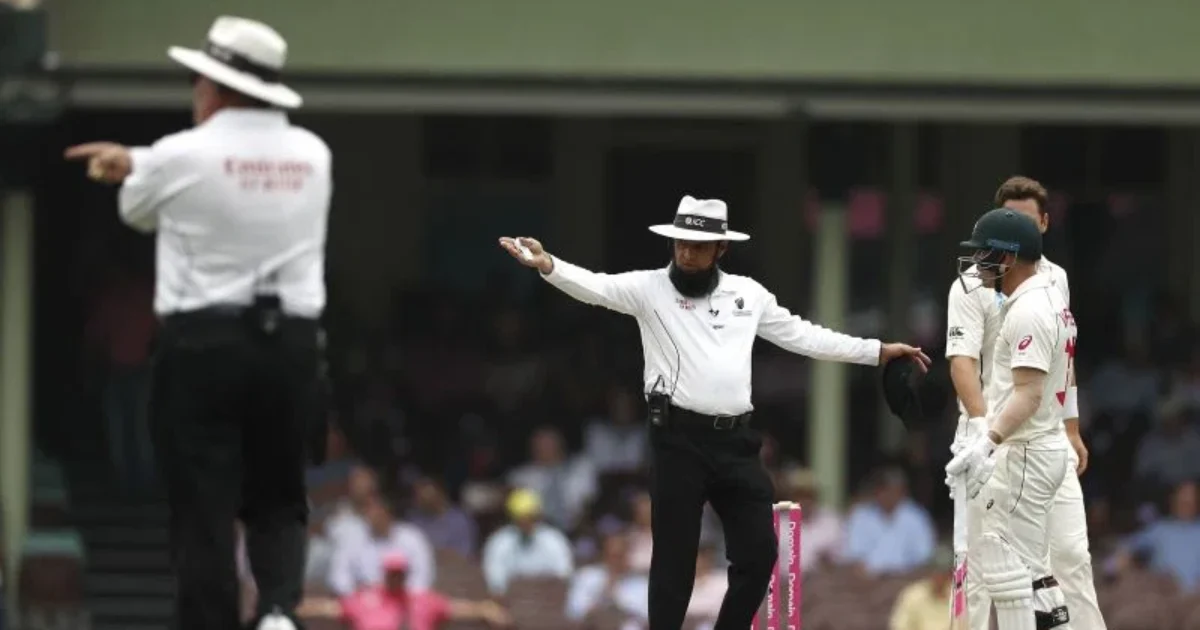
The overthrow rule has been tightened: only a genuine attempt to direct the ball at the stumps counts as an overthrow. Simple misfields don’t. Fielders must also have complete control of the ball when breaking the stumps for run-outs and stumpings — merely touching it is not enough.
White-ball tweaks
The T20I innings interval is fixed at 15 minutes (reducible to 10 if time is lost), head coaches may now enter the field during drinks breaks, and the experimental leg-side wide law — judged on the batter’s leg position at delivery — is now permanent in ODIs and T20Is. Separate ball specifications for men’s, women’s and junior cricket complete the package.
Who drove the changes
The revisions were recommended by the ICC Men’s Cricket Committee, chaired by Sourav Ganguly, and align with concurrent updates to the MCC Laws of Cricket effective the same date. The dual update means international playing conditions and the Laws now speak the same language on catches, overthrows and settled balls.
Series already underway continue under the old rules; everything starting after October 1 plays under the new ones. Players and fans will see them in action immediately.