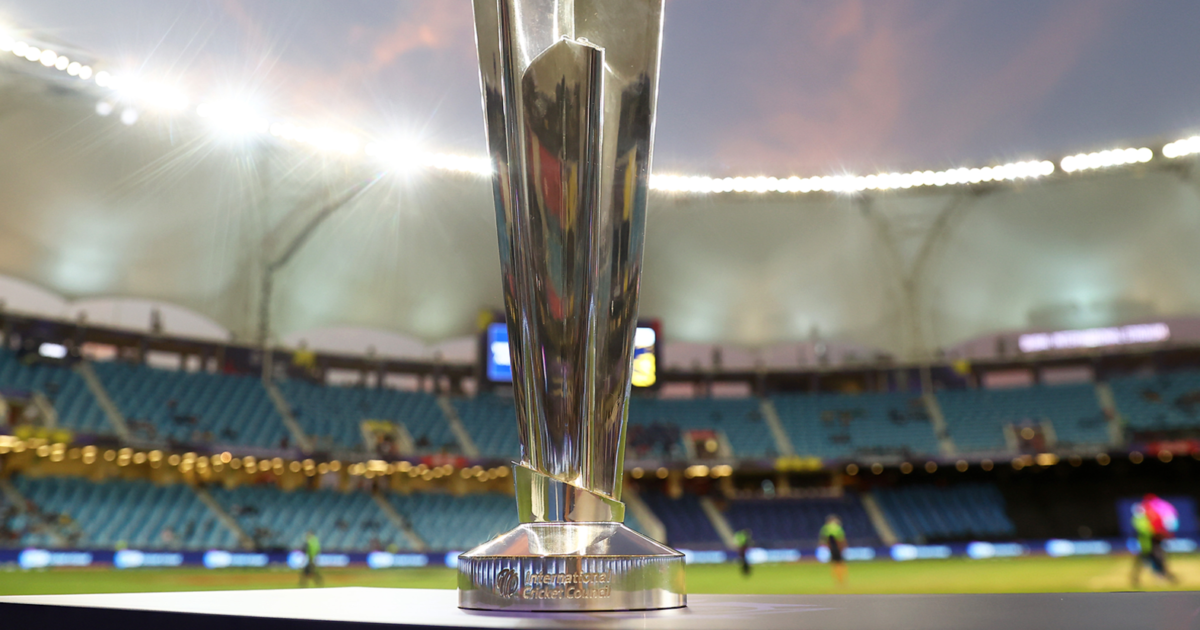
Dubai: The next men’s T20 World Cup is still two years away, but its shape is already set — and it looks different from anything the tournament has tried before. The 2028 edition, co-hosted by Australia and New Zealand from October 21 to November 19, will feature 20 teams playing under a revamped structure approved by the ICC in Edinburgh in July 2026.
It is worth clarifying the calendar first: there is no T20 World Cup in 2027. The 2026 edition, won by India against New Zealand, was the tenth; the eleventh goes to Australia and New Zealand in 2028 — the first time New Zealand will co-host the event.
Five groups, then a Super 10
The 20 teams will be split into five groups of four, replacing the four-groups-of-five layout used in 2026. Each team plays the other three in its group — 30 matches in the opening stage. The top two from each group advance, meaning ten teams reach the second round instead of eight.
That second round is the new Super 10: two groups of five playing round-robin, 20 matches in all. The ICC says the expansion is a direct response to the performances of emerging nations, promising them deeper runs in the tournament rather than elimination after two bad days.
Enter the eliminators
Here is the twist. Only the winner of each Super 10 group goes straight to the semifinals. The teams finishing second and third must survive IPL-style eliminators — second of one group against third of the other — with the two winners completing the final four.
“This promises to expand the representation of cricket’s emerging nations in the Super 10 stage while also delivering higher competitive standards,” the ICC said, adding that the eliminators “add significant consequence to the closing matches” and cut down dead rubbers.
What we know so far
Fourteen venues across the two countries are vying for matches, with eight to ten to be selected and host cities confirmed around mid-October 2026 — two years out. India will arrive as defending champions after their 2026 triumph. Twelve teams will qualify automatically with eight more coming through regional qualifiers, though the final list of participants is yet to be confirmed.
For fans, the headline is simple: more teams in the second round, every Super 10 game carrying weight, and a knockout path with genuine jeopardy from the eliminators onward.
The venues race is already underway — fourteen cities across Australia and New Zealand are bidding for matches, with eight to ten to make the final cut. Expect the MCG, SCG and Eden Park to feature prominently when the schedule lands.