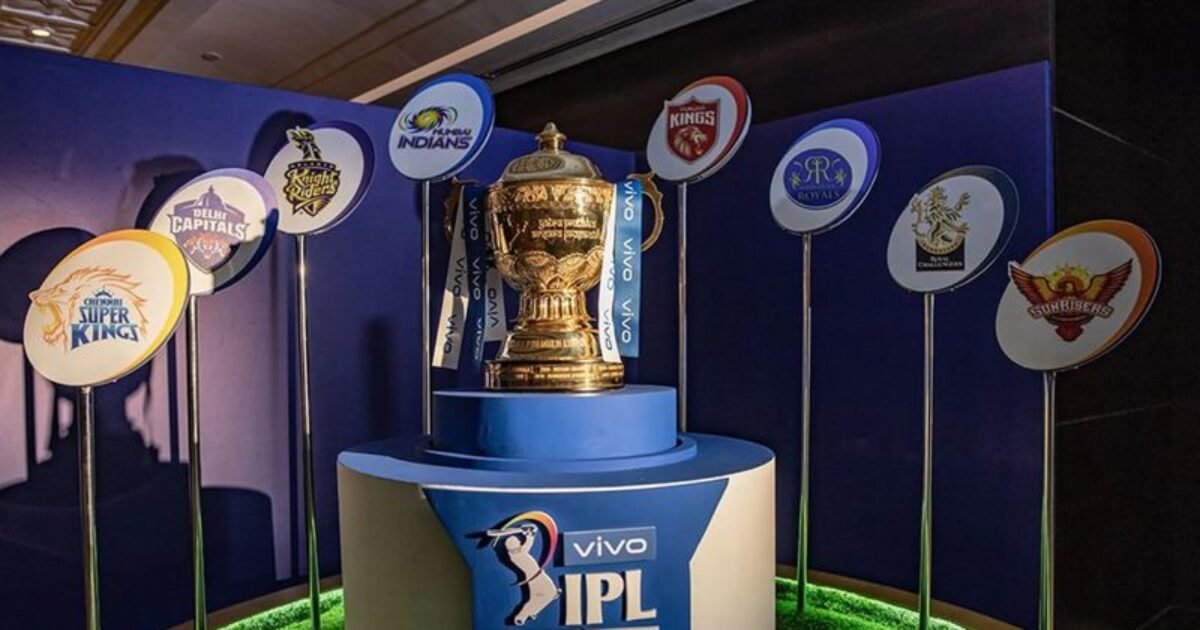
The IPL 2027 auction is the next major date on the Indian Premier League calendar, and it arrives with a useful distinction for fans: this is a mini-auction, not a squad reset. The ten franchises are not starting again. They are keeping the core of their sides and using one day of bidding in Goa to fix specific gaps before the league’s 20th season.
When and where is the IPL 2027 auction?
The auction is reported for December 16, 2026, at ITC Grand Goa, with a franchise briefing planned for December 15. Multiple reports in October said the BCCI’s logistics team had circulated those arrangements to franchises to help them plan travel.
One caveat belongs at the top of any guide written this early: formal public confirmation to franchise owners and chief executives was still awaited at the time of writing. Treat December 16 and Goa as the widely reported plan, not as a formally announced fixture, and this page will be updated in place if the BCCI confirms or changes the details.
It will also be the last mini-auction of the current IPL cycle; a mega auction is scheduled ahead of 2028.
The key dates leading up to the auction
November 17, 2026, is the date franchises must work to first. The BCCI extended the deadline from November 15 on November 3, because the original date clashed with India’s fifth ODI against New Zealand at Mount Maunganui. That is the deadline for submitting retained and released player lists. Those lists do more than name who stays and who goes: they set each team’s purse for Goa, because the cost of retained players comes off the budget available for bidding.
The trading window is the other moving part. It is currently open, closes one week before the auction, and reopens one week after it until one month before the season begins. Trades there change both squads and purses, so the final picture only sharpens once the retention lists are published.
How a mini-auction works
A mini-auction follows the same bidding logic as any IPL auction, but with fewer slots to fill. Franchises do not face a fixed retention limit ahead of a mini-auction as they did ahead of the 2025 mega auction: a team can retain as many players as it wishes, provided its squad stays within the composition rules.
Each franchise can carry between 18 and 25 players, including a maximum of eight overseas players. A team with a full squad must release players to create room for fresh signings.
Right to Match cards, a feature of mega auctions, are not available at mini-auctions. If a franchise wants a player it has released, it must bid for that player in the open auction like everyone else — releasing a player to free up money is a genuine gamble, with no safety net to bring him back at a matched price.
The purse: what we know and what we do not
The financial framework comes from the IPL’s 2025-27 player regulations. The total salary cap for 2027 is reported at Rs 157 crore per team, covering the auction purse, incremental performance pay and match fees. The cap has risen through the cycle, from Rs 146 crore in 2025 and Rs 151 crore in 2026.
What that means for each individual franchise in Goa is not yet known. The actual amount a team can spend depends on its retained players, its releases and any trades completed before the auction. Early reporting gives a sense of the spread: Chennai Super Kings, for example, were reported to hold only Rs 2.4 crore before the annual Rs 5 crore increment, taking them to around Rs 7.4 crore before any releases — and releasing a high-price player such as Prashant Veer, signed for Rs 14.2 crore, would push that figure well above Rs 20 crore.
No single team’s purse figure is final until the retention lists are out.
Who could be in the pool, and what to watch in Goa
The final player list, and the order of the auction sets, are expected in the week before the event. Until then, the pool is a matter of reporting and deduction rather than fact. Released players from the ten squads will form its core, alongside uncapped Indian talent from the domestic season and overseas players looking for an IPL contract.
Three things will decide whether a franchise has a good auction. First, overseas balance: with only eight overseas slots in a squad and four in a playing XI, an overseas signing must solve a specific problem. Second, the uncapped market: mini-auctions have repeatedly produced value in young domestic players. Third, discipline: the most expensive buy of the day is rarely the best value.
The fixtures will follow once squads are finalised, with the season reported to begin in the second week of March 2027. Until then, hold November 17 for retentions and December 16, in Goa, for the auction — and this page will be updated at each step.
Read next:
IPL 2027 retention deadline explained